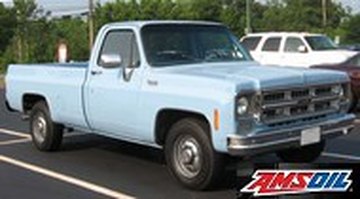
Lubrication Maintenance for the 1981 Gmc Trucks C2500 5.7L
Maintaining a vehicle of this era requires a proactive approach to fluid management and mechanical inspection. For owners of a 1981 Gmc Trucks C2500 equipped with the 5.7L engine, consistent attention to lubrication systems is a fundamental aspect of long-term ownership. Because these vehicles have been in operation for several decades, service routines should focus on monitoring the condition of aging components and ensuring that all lubrication remains effective under various operating conditions.
Monitoring Fluid Integrity and Potential Seepage
One of the most practical ways to monitor the health of a 5.7L engine is through regular visual inspections for fluid loss. Over time, gaskets and seals can undergo changes in elasticity due to heat cycles and age. When performing routine maintenance, it is useful to look for signs of seepage around various engine junctions. Rather than assuming a specific component has failed, an owner should observe the cleanliness of the engine block and surrounding areas.
If you notice dark staining or wet spots on the underside of the engine or near sealing surfaces, this may indicate that a seal is no longer providing a perfect barrier. Similarly, checking for any evidence of fluid escaping from connections can help identify issues before they lead to significant loss. It is also beneficial to inspect the condition of hoses and any visible electrical connectors to ensure that oil or other fluids are not interfering with their integrity. A clean engine environment makes it much easier to spot new leaks as they develop.
Observing Changes in Engine Operation
Beyond visual inspections, an owner should remain attentive to how the vehicle behaves during operation. Changes in performance can often be early indicators that a lubrication or cooling issue warrants investigation. For example, if you notice unusual mechanical noises that were not previously present, it is wise to check all fluid levels immediately. While many different factors can cause changes in engine sound, ensuring that the engine is properly lubricated is a critical first step in troubleshooting.
Changes in exhaust characteristics or signs of overheating should also be taken seriously. If the vehicle begins to run hotter than usual, it could be related to various systems, including the cooling system or the efficiency of heat management within the engine. Furthermore, if you notice an unexpected increase in how often you need to check or add fluids, this is a signal that the engine's lubrication needs should be investigated. Always remember that a single symptom can have multiple underlying causes; therefore, observing these signs is about gathering information for a proper diagnosis rather than identifying a specific failed part.
Prioritizing Long-Term Maintenance Decisions
As a 1981 Gmc Trucks C2500 ages, the strategy for maintenance should shift from simple interval-based service to condition-based monitoring. If you do not have a complete history of every repair and fluid change performed on the vehicle, establishing a baseline is an excellent starting point. This involves documenting current fluid levels, the condition of belts (if equipped), and any observed leaks or noises.
When managing maintenance for an older engine, it is often more effective to address active concerns—such as a visible leak or a change in fluid color—rather than following a generic replacement schedule for parts that still appear to be in good condition. Reviewing any available service records can help you understand if certain components have been addressed recently. This organized approach allows you to distinguish between necessary preventive maintenance and unnecessary part replacement, ensuring that your efforts are focused on the areas that most impact the vehicle's continued operation.
The Role of Lubrication in Engine Health
Engine oil performs several vital roles that go beyond simple lubrication. It is a primary medium for managing heat within the engine, helping to carry thermal energy away from high-friction areas. Additionally, modern oil formulations are designed to manage contaminants and prevent the buildup of deposits that can occur over long periods of use. Maintaining clean, fresh lubricant helps ensure that the internal components remain protected against friction and oxidation.
For an engine like the 5.7L, the quality of the oil used can influence how well the system handles the stresses of regular use. Some high-mileage oil formulations contain additives intended for use in aging engines, including seal-conditioning additives that may help maintain the flexibility of various gaskets and seals. While these additives are not a substitute for mechanical repairs, they represent an option for owners looking to manage the characteristics of an older lubrication system.
Effective Record Keeping for Older Vehicles
For long-term ownership, keeping a detailed log of all maintenance performed on your C2500 is highly beneficial. This includes not just oil changes and filter replacements, but also observations regarding fluid consumption and the condition of various components. If you notice that the engine requires more frequent lubrication than it did in previous years, having a record of when these changes occurred can be invaluable for troubleshooting.
A well-maintained history provides a clear picture of the vehicle's service life. It helps in identifying patterns—such as whether a specific area is prone to seepage or if certain components require more frequent inspection. This documentation also adds clarity if the vehicle is ever serviced by a different technician, as it establishes exactly what has been done and what the current baseline for the engine's condition is.
Practical Advice for Buying Engine Oil for your 1981 Gmc Trucks C2500 5.7L
When you are ready to replenish your engine's lubricant, it is essential to select a product that aligns with the specific requirements of your application. Rather than relying on general assumptions about the age of the vehicle or common practices for similar engines, always refer to the application-specific information provided on this page. This ensures that you are matching the oil to the correct viscosity and performance standards required for your 5.7L engine.
Before making a purchase, carefully check the product labeling to verify that the oil meets the necessary quality certifications. Depending on your specific needs and the current condition of your engine, you may choose between conventional oils, synthetic blends, or full synthetic formulations. If your engine shows signs of age-related seepage, you might also consider looking into high-mileage formulations. Ultimately, the most important step is to match the lubricant you buy to the vehicle-specific viscosity and application details displayed in the technical information above.